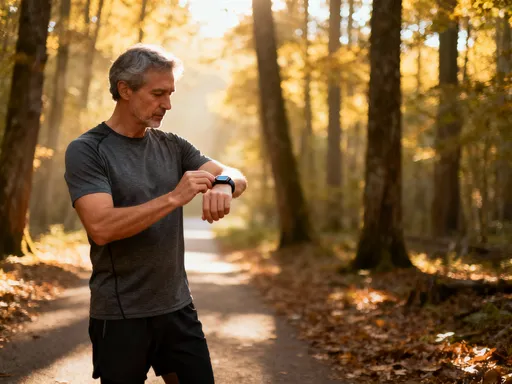
How I Stopped Guessing My Fitness Progress—And Started Seeing Real Results
For years, I chased workouts without really knowing if they were working. I’d sweat, feel sore, then wonder: Is this actually helping? It wasn’t until I started tracking simple daily signals—energy, mood, recovery—that things changed. This isn’t about obsessive data or gym extremes. It’s about using consistent, low-effort monitoring to make exercise actually work for your body over time. If you’ve ever felt stuck in a fitness loop, this long-term approach might be the shift you need.
The Problem with “Just Working Out” Without Feedback
Many people begin fitness routines with enthusiasm, only to lose momentum within weeks. The reason often isn’t lack of willpower—it’s the absence of feedback. When you exercise without observing how your body responds, you’re essentially flying blind. You might push hard on days when rest is needed, or scale back when progress is within reach. Without a way to measure how you’re truly doing, it’s easy to misinterpret soreness as success or fatigue as failure. This kind of uncertainty erodes motivation and increases the risk of burnout.
Physical activity should support your health, not undermine it. Yet without monitoring, overtraining becomes a silent threat. Symptoms like persistent fatigue, disrupted sleep, or irritability are often overlooked as unrelated to exercise. In reality, they can be early warnings that your body is struggling to recover. On the flip side, undertraining—doing too little to create meaningful adaptation—can leave you feeling like you’re putting in effort with no payoff. Both scenarios stem from the same root: relying solely on effort instead of evidence.
What many don’t realize is that fitness is not a straight line. It’s a series of small adaptations that happen over time, influenced by sleep, nutrition, stress, and recovery. When you don’t track these factors, you miss the full picture. A workout might feel hard one day and easy the next—not because you’ve suddenly become stronger or weaker, but because your energy levels fluctuated. Without context, it’s impossible to know whether to push forward or pull back. This is why feedback matters: it turns guesswork into guidance.
Progress in fitness isn’t just about lifting heavier weights or running faster. True progress means feeling more capable, resilient, and energized in daily life. But these changes are subtle and unfold slowly. They’re easy to miss if you’re only looking for dramatic transformations. By introducing simple monitoring, you begin to see patterns—like how consistent movement improves your sleep, or how rest days boost your next workout. This awareness transforms exercise from a chore into a responsive, personalized practice.
What Health Monitoring Really Means (And Why It’s Not Just Numbers)
When people hear “health monitoring,” they often think of wearable devices, calorie counters, or body composition scans. But effective tracking doesn’t require technology or precision. At its core, health monitoring is about paying attention—consistently and kindly—to how you feel. It’s noticing whether you wake up refreshed or groggy, whether your mood lifts after a walk, or whether your joints feel stiff after certain movements. These observations, repeated over time, form a reliable picture of your well-being.
Sleep quality, resting heart rate, daily energy, and emotional state are powerful indicators of physical health. For example, a higher-than-usual resting heart rate in the morning can signal that your body is under stress or hasn’t recovered fully. Similarly, low energy midday might point to poor sleep or inadequate fueling, not a lack of discipline. These signals aren’t about judgment—they’re about information. When you learn to read them, you gain the ability to adjust your routine before problems arise.
Monitoring also shifts the focus from appearance to function. Instead of asking, “Do I look different?” you begin to ask, “Do I feel stronger? More balanced? More in control?” These questions reflect a deeper, more sustainable kind of progress. Research shows that non-scale victories—like climbing stairs without getting winded or carrying groceries with ease—are stronger predictors of long-term adherence than weight loss alone. They connect fitness to real life, making it meaningful beyond the mirror.
It’s important to emphasize that this isn’t about obsession. The goal isn’t to track every meal, step, or heartbeat. It’s about developing a rhythm of awareness—checking in with yourself regularly, without pressure. Think of it like tending a garden: you don’t measure every leaf, but you notice when the soil is dry or the sun is too intense. With gentle attention, you learn what your body needs and when. This kind of monitoring fosters self-trust, replacing frustration with understanding.
Why Long-Term Tracking Beats Quick Fixes
Fitness trends come and go—30-day challenges, extreme diets, high-intensity boot camps—but few deliver lasting results. The reason is simple: they lack feedback loops. Without a way to assess how your body is responding, you can’t adapt. You follow a rigid plan, hoping it will work, but when it doesn’t, you assume you failed. In reality, the plan may have been mismatched to your needs. Sustainable progress requires more than effort—it requires observation and adjustment.
Muscles don’t grow during workouts; they grow during recovery. This process takes time and is influenced by many factors, including sleep, hydration, and overall stress load. When you track these elements, you see how they interact. For instance, you might notice that after a week of poor sleep, your workouts feel harder, even if your effort is the same. This insight allows you to prioritize rest without guilt, knowing it’s part of the process. Over time, you develop a deeper understanding of your body’s rhythms.
Metabolism, too, responds gradually. Crash diets or sudden calorie cuts might lead to quick weight loss, but they often backfire by slowing metabolic rate and increasing hunger. In contrast, consistent physical activity paired with mindful eating supports long-term metabolic health. Studies have shown that people who engage in regular exercise and self-monitoring are more likely to maintain weight loss over time. The key isn’t restriction—it’s awareness. When you see how your choices affect your energy and mood, you make better decisions naturally.
Long-term tracking also builds resilience. Life is unpredictable—work deadlines, family demands, travel, illness. Without a feedback system, these disruptions can derail your routine. But when you’re in tune with your body, you can adapt. You might shorten a workout when energy is low, or choose gentle movement when stressed. These small adjustments keep you connected to your routine, even during busy times. Instead of all-or-nothing thinking, you develop flexibility and self-compassion.
Building a Simple, Sustainable Exercise Plan That Evolves With You
A sustainable fitness plan isn’t about perfection—it’s about consistency and balance. The most effective routines include a mix of strength, mobility, and cardiovascular exercise, tailored to your current ability and lifestyle. For example, a weekly structure might include two days of strength training, two days of light cardio like walking or cycling, and one day of stretching or yoga. The remaining days can be active rest—gentle movement like gardening or household chores that keep you moving without strain.
Progression, not intensity, should be the focus. Starting with manageable workouts—like 20-minute walks or bodyweight exercises—builds confidence and reduces injury risk. As your fitness improves, you can gradually increase duration or resistance. The key is to listen to your body. If you’re recovering well and feeling energized, it may be time to challenge yourself. If you’re feeling fatigued or sore, scaling back is not failure—it’s wisdom. This responsive approach prevents burnout and supports long-term adherence.
Timing matters, too. Some people feel strongest in the morning, while others peak in the afternoon or evening. Aligning your workouts with your natural energy rhythms can improve performance and enjoyment. If you’re not a morning person, forcing an early gym session may set you up for frustration. Instead, find a time that fits your rhythm. Even 10 minutes of movement at a consistent time each day can build a lasting habit.
Flexibility is essential. As life changes—whether due to aging, job shifts, or family needs—your exercise plan should evolve. A routine that worked at 35 may not suit you at 50. Monitoring helps you recognize when adjustments are needed. For instance, you might notice that high-impact activities cause joint discomfort as you age. Instead of giving up, you can shift to low-impact alternatives like swimming or elliptical training. This adaptability is what makes fitness a lifelong practice, not a temporary fix.
Tools and Habits for Effective Self-Monitoring (No Tech Required)
You don’t need a smartwatch or app to monitor your health. Simple, low-tech methods can be just as effective. One of the most powerful tools is a journal. Writing down how you feel each day—your energy level, mood, sleep quality, and workout experience—creates a record you can reflect on. Over time, patterns emerge. You might see that yoga on Tuesdays leads to better sleep, or that skipping breakfast leaves you sluggish by midday.
To avoid overwhelm, focus on tracking just two or three key signals. For example, you might monitor morning energy and post-workout recovery. Rate each on a simple scale from 1 to 5. This takes less than a minute and provides valuable insight. The goal isn’t data overload—it’s clarity. When you limit what you track, you’re more likely to stay consistent. Over time, these small check-ins become automatic, like brushing your teeth.
Habit stacking can make monitoring even easier. Pair your check-in with an existing routine—like rating your energy after brushing your teeth or noting your mood while brewing coffee. These natural anchors help the habit stick. You’re not adding a new task; you’re integrating awareness into what you already do. This subtle shift makes self-monitoring feel effortless rather than burdensome.
If you choose to use technology, keep it simple. A basic step counter or sleep tracker can offer useful insights without complexity. But remember: the device doesn’t know how you feel. Data should support your own observations, not replace them. If your watch says you slept eight hours but you wake up exhausted, trust your body. The numbers are tools, not truths. Mindful observation—paying attention with curiosity and kindness—is the foundation of real self-knowledge.
Connecting the Dots: How Data Turns Into Better Decisions
Monitoring is only useful if it leads to action. The real power lies in connecting your observations to your choices. For example, if you notice several days of low energy and poor sleep, it might be time to reduce workout intensity or prioritize rest. This isn’t quitting—it’s responding wisely. Similarly, if you see consistent improvements in recovery and mood, it could signal that you’re ready to increase challenge safely.
These decisions are empowering because they’re based on evidence, not assumptions. Instead of thinking, “I should push harder,” you ask, “Is my body ready for more?” This shift—from external rules to internal guidance—builds confidence and self-trust. You stop relying on rigid plans and start making choices that honor your current state. Over time, this leads to greater consistency, because your routine feels supportive, not punitive.
Patterns also reveal what truly works for you. You might discover that short, frequent workouts boost your mood more than long sessions. Or that walking after meals helps your digestion and energy levels. These personalized insights are more valuable than generic fitness advice. They allow you to tailor your routine to your unique needs, increasing both effectiveness and enjoyment.
Most importantly, monitoring helps you avoid the all-or-nothing mindset. Life will interrupt your routine—illness, travel, busy weeks. Without feedback, these breaks can lead to guilt and abandonment. But when you’re tracking, you can see that one missed workout doesn’t erase progress. You might notice that even light movement on tough days keeps you connected. This awareness fosters resilience, helping you return without self-criticism.
Staying the Course: Making It a Lifestyle, Not a Project
Many people start fitness routines with excitement, only to lose interest when results don’t appear quickly. This drop-off is common, but it’s not inevitable. Monitoring helps maintain momentum by making progress visible, even when it’s not physical. You might not see muscle definition, but you notice you’re less winded climbing stairs. You might not lose weight, but you sleep better and feel calmer. These wins keep you engaged, even when the scale doesn’t move.
Life changes—jobs, family roles, health conditions—and your fitness routine must adapt. Monitoring helps you navigate these shifts with grace. During stressful periods, you might scale back intensity and focus on stress-relieving movement like walking or stretching. When energy returns, you can gradually rebuild. This flexibility prevents burnout and keeps fitness relevant at every stage of life.
The ultimate goal is to view exercise and self-tracking as forms of self-care, not punishment or performance. When you shift from chasing results to nurturing your body, fitness becomes sustainable. You’re no longer trying to “fix” yourself—you’re investing in long-term well-being. This mindset change is powerful. It replaces guilt with gratitude, and pressure with presence.
Staying the course isn’t about perfection. It’s about showing up, consistently and kindly, with awareness. Some days will be stronger than others. That’s normal. The practice isn’t in never failing—it’s in noticing, adjusting, and continuing. Over time, this builds not just physical strength, but emotional resilience. You learn to trust your body, honor its needs, and celebrate its capabilities.
In the end, fitness isn’t a destination. It’s a relationship—with your body, your energy, your health. And like any strong relationship, it thrives on attention, care, and understanding. By combining a thoughtful exercise plan with gentle, consistent monitoring, you create a practice that evolves with you. Progress may not always be visible, but it’s always happening when you’re paying attention. Start small. Stay curious. Trust the process. Long-term health isn’t about flawless execution—it’s about showing up, again and again, with awareness.